Your Culinary Companion: The Ultimate Recipe Book Journal Interior
For anyone who cooks—from the weekend baker to the professional chef—recipes are more than just instructions. They are memories, experiments, and a chronicle of taste. While a digital screen might suffice for a quick lookup, there’s a profound value in having a physical, personal collection. This is where a dedicated Recipe Book Journal Interior transforms a simple notebook into a curated kitchen archive. It's not just blank pages; it’s a thoughtfully designed framework that invites you to document, organize, and celebrate your culinary journey.
What Exactly Is a Recipe Book Journal Interior?
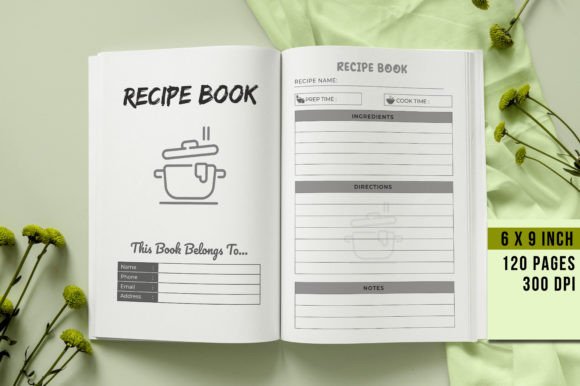
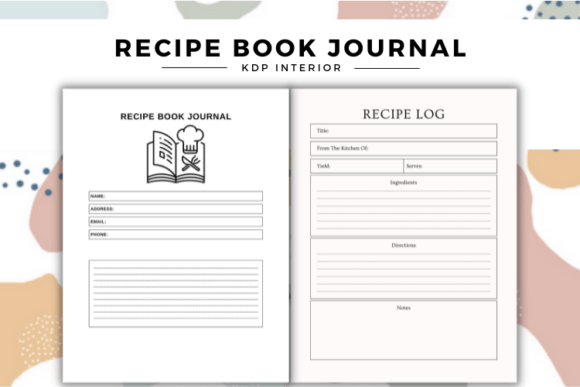
Imagine the backbone of a beautiful cookbook, but one where you are the author. A Recipe Book Journal Interior is a pre-designed template for the pages inside a book. It provides the structure—the layout, sections, and guiding elements—so you can focus entirely on filling it with your personal recipes, notes, and photos. The design mentioned here includes 110 pages formatted for a large 8.5 x 11 size, delivered as editable PDF and PNG files. This means you receive the digital blueprint, ready for you to personalize, print, and bind into your own unique volume.
The Core Purpose: From Chaos to Curated Collection
Many cooks have a scattered collection: printouts stuffed in drawers, links saved in browser folders, and grandmother’s handwritten cards in a box. A Recipe Book Journal Interior solves this chaos by offering a single, elegant home for everything. Its primary purpose is to facilitate organization and deepen the cooking experience. It encourages you not only to record a list of ingredients and steps but also to journal your modifications, rate the outcomes, and note who loved the dish. This turns cooking from a transactional task into a documented creative practice.
Key Features and Designed Characteristics
The value of this interior lies in its specific features, crafted to serve practical needs.
- Structured Layouts: Pages typically include dedicated areas for the recipe title, source, cooking time, and servings. Clear sections for ingredients and step-by-step instructions prevent clutter.
- Space for Experimentation: Beyond the basic recipe, good interiors provide margins or boxes for "My Tweaks," "Next Time Ideas," or "Wine Pairing." This acknowledges that a recipe is often a starting point.
- Rating and Review Systems: Simple star ratings or a "Success Scale" allow you to quickly flag your favorites or those needing improvement.
- Flexible File Formats: Receiving PDFs and PNGs means you can use it as-is for professional printing (with no bleed setup for simplicity) or easily edit elements in software like Canva or Adobe products to add a personal font or color before printing at home.
- High Page Count: With 110 pages, the journal offers ample room for a comprehensive collection, allowing for categorization by meal type, season, or cuisine.
Who Benefits from Using a Recipe Journal Interior?
The application is wider than you might think. It's a tool for various enthusiasts and professionals.
For Home Cooks and Family Historians
This is the perfect project for anyone wanting to preserve family recipes in a dignified, lasting format. Instead of a fragile, single handwritten card, you can transcribe multiple generations' dishes into a unified, beautiful book. It also serves the hobbyist who loves to try recipes from blogs and magazines; by writing them into the journal, you actively engage with the process and create a personalized reference library free from digital distractions.
For Cooking Bloggers and Content Creators
Digital creators can use the Recipe Book Journal Interior as a physical workspace. It can be a superb tool for drafting and developing recipes before publishing them online. The act of writing can clarify thought processes. Furthermore, a completed journal becomes a unique, tangible product they can offer to their audience—a printable companion to their digital blog.
For Culinary Professionals and Business Owners
Chefs running small cafes, bakeries, or meal-prep services can use these interiors to create their standard operating procedure manuals. It’s a way to formally document signature recipes for consistency in training staff. Caterers can maintain curated journals for different event types (weddings, corporate). The large, clear pages are easy to reference in a busy kitchen environment.
Real-World Applications and Scenarios
Consider these scenarios to see its practical impact.
- The Community Cookbook Project: A neighborhood association wants to create a fundraiser cookbook. Using the editable interior, they can easily consolidate submissions from dozens of people into a consistent, professional layout before printing copies for sale.
- The Dietary Transition Journal: Someone adopting a new dietary lifestyle (like gluten-free or vegan) uses the journal to collect and adapt recipes. The notes section becomes crucial for tracking ingredient substitutions and their effectiveness, making the transition a documented learning journey.
- The Gift of Memory: A person gathers all the recipes their late parent was famous for, compiles them into the journal with photos and anecdotes beside each recipe, and prints a single copy as an irreplaceable family heirloom.
Evaluating Its Suitability for Your Project
Before embarking, consider your needs and workflow.
Strengths and Advantages: The main strength is structure and time-saving. You avoid designing every page from scratch. The provided formats offer professional alignment and readability. The editable nature grants control without requiring advanced graphic design skills. It’s also scale-ready—whether you’re printing one copy for yourself or fifty for a small business.
Considerations and Limitations: It is a digital product, so physical printing and binding are separate steps you must arrange. While the PNG files allow for element-level editing, significant layout changes might require more effort. The 8.5 x 11 size is large and kitchen-friendly, but if you desire a compact pocket-sized book, you would need to resize the pages, which is possible with the provided files but requires additional work.
Guidance for a Successful Outcome
To ensure the Recipe Book Journal Interior serves you well, start with a plan. Sketch out how you want to categorize your recipes. Decide if you'll write directly into a printed copy or type into the editable PDF first. If printing professionally, communicate with your printer that the files are already set to the correct size with "no bleed." Most importantly, embrace its purpose as a journal—don’t just copy recipes verbatim; make it a living document of your culinary voice.
The Lasting Value of a Personalized Cookbook
In a world of fleeting digital tabs, a physical recipe journal stands as a testament to your taste and history. A well-designed Recipe Book Journal Interior provides the scaffold for that testament. It organizes the functional, captures the experiential, and ultimately creates an object that is both useful and sentimental. Whether your goal is practicality, preservation, or professionalism, this tool empowers you to author your own cookbook, one that tells the unique story of what happens in your kitchen.