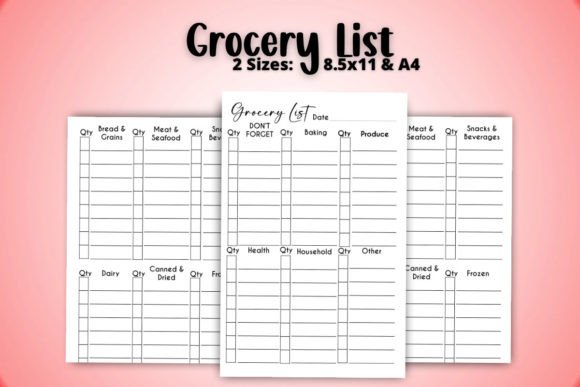
From Chaotic Shopping to Organized Kitchens: The Art of Grocery Lists
Food shopping is a universal task, yet the approach to a grocery list can vary wildly from a scribbled note on a fridge to a meticulously categorized digital spreadsheet. For many, it's a simple chore. For others, it's a critical tool for budget management, dietary adherence, or creative meal planning. The process of creating and using a grocery list—and even logging past purchases—bridges the gap between intention and action at the supermarket. It turns the often overwhelming experience of navigating aisles into a focused, efficient mission.
Why a Grocery List Matters More Than You Think
At its core, a grocery list is a planning document. It serves as a memory aid, ensuring you don't forget the milk or the cilantro. But its value extends far beyond recollection. A well-constructed list can help control impulse purchases, which are the primary culprits behind blown budgets and unwanted snacks. It encourages mindful eating by aligning purchases with weekly meal plans, supporting health goals from weight management to specialized diets. For households, it can be a collaborative tool, reducing the "I thought you were buying that!" conflicts.
Different people, however, will prioritize different aspects. A busy professionalbudget-conscious familycreative cook or hobbyist
The Beginner's Perspective: Starting with Structure
For someone new to organized food shopping, the priority is often ease of use and reliability. A simple, consistent format is key. This might be a physical notebook divided into categories (Produce, Dairy, Pantry) or a basic digital template. The goal is to reduce the mental load. A beginner might start by listing meals for the week, then deriving ingredients from those meals. The practical benefit is immediate: less time in the store, less money wasted on duplicates, and fewer last-minute dashes to the corner shop. The grocery list log book becomes a useful record, helping them see their habitual purchases and identify areas to improve, like cutting back on processed snacks.
The Advanced User: Optimization and Analysis
An experienced home manager or efficiency enthusiast looks beyond the basic list. They might evaluate tools based on long-term usefulness and analytical potential. They could use a detailed log book to track not just items, but prices, store names, and dates. This data becomes powerful for seasonal budgeting, comparing retailer costs, and planning for holidays or large events. Their grocery list integrates with meal prep schedules, dietary macros, or even inventory management for a well-stocked pantry. For them, the list is a strategic dashboard for household operations.
The Log Book: Transforming a List into a System
A grocery list log book elevates the simple list into a reusable system. Instead of scraps of paper, you have a dedicated, structured space to plan, shop, and review. This is where the practice gains depth for various audiences.
For the small business owner running a café or a food-related service, a log book isn't just personal; it's a prototype for commercial inventory tracking. They can adapt its principles to order ingredients, monitor supplier costs, and ensure consistency. For the educator or blogger focused on nutrition, budgeting, or home economics, a well-designed log book can be a teaching tool or a content template to share with their audience. They might use it to demonstrate meal planning principles or cost-analysis techniques.
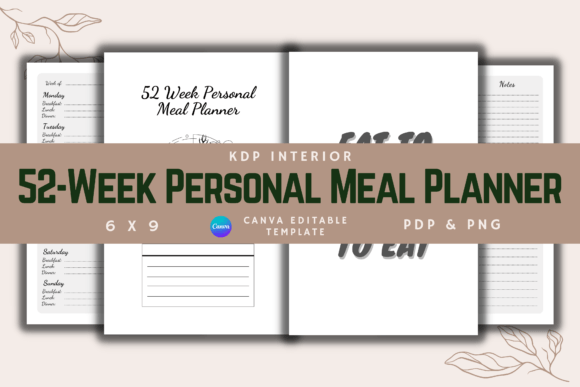
For the creator or freelancer, the presentation and flexibility of the tool might be paramount. A clean, editable template (like a ready-to-edit PPTX file) allows them to customize it to their aesthetic or specific project needs—perhaps designing a themed meal plan for a client or a visually pleasing planner for their own brand. The availability of a ready-to-upload PDF file, formatted for a standard 6x9 size, means they can instantly publish or sell their adapted version as a digital product without starting from scratch.
Identifying Your Own Needs and Goals
How do you know if a structured approach to grocery lists and food shopping is right for you? Consider your recurring frustrations. Do you often overspend? Do you struggle to plan weekly meals? Does your household have communication gaps about shopping? If yes, a more formal list system could help.
Next, consider your skill level and time. If you're pressed for time, a digital app might suit you best. If you enjoy tactile planning and long-term records, a physical log book is ideal. For those with creative or commercial aspirations—like marketers, publishers, or entrepreneurs—the value lies in the adaptable assets. Having a 120-page PDF foundation, alongside editable source files (PPTX) and image (JPG) assets, provides raw material. It saves dozens of hours of design work, allowing you to focus on customizing content, branding, and distribution for your specific audience.
Ultimately, the practice of maintaining a grocery list and a food shopping log is about intentionality. It’s a small habit that compounds over time into significant savings, better health, less stress, and even creative or business opportunities. Whether you're a consumer seeking order, a hobbyist exploring culinary arts, or a professional building a product, the principles of planning, tracking, and reviewing your purchases remain a universally helpful cornerstone of daily life.