Weekly Planner2: Your Central Hub for Organizing Time and Tasks
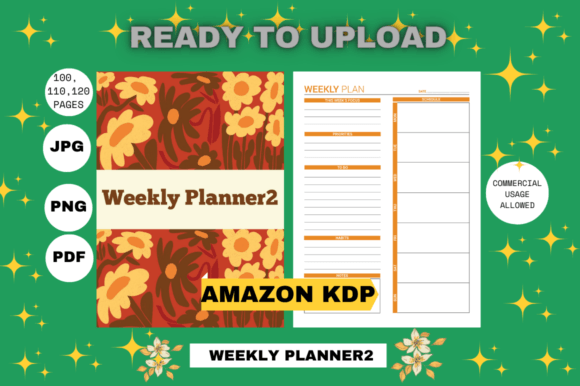
Imagine having a single, consistent tool to manage the sprawling demands of your week. Whether you're juggling client projects, planning a creative launch, or simply trying to get a handle on household chores and personal goals, a reliable planner is more than just paper. It's a command center. The Weekly Planner2 collection is designed to be that central hub. It’s a tested, ready-to-use set of 21 different planner interiors, each formatted for the standard 8.5″ x 11″ inch size, giving you a library of options to match your specific planning rhythm.
Where This Planner Finds Its Place in Your Life
You might be a freelance graphic designer mapping out deliverables across multiple clients. Or a teacher organizing lesson plans, grading schedules, and parent communications. Perhaps you’re an entrepreneur plotting weekly marketing tasks, content creation, and financial reviews. The Weekly Planner2 isn’t a niche product; it’s a flexible framework. Its clean, print-ready layouts serve anyone who thinks in weekly cycles. The key is that it removes the friction of creating your own structure from scratch, saving you the hours you'd spend designing a template in software or settling for a generic, poorly laid-out notebook.
Consider a small business owner running an online store. Their week blends inventory checks, social media posting, customer service, and packaging orders. A dedicated page for each week allows them to visually block time for these varied activities, seeing conflicts and opportunities at a glance. The same planner, in the hands of a graduate student, becomes a tracker for research hours, writing deadlines, and seminar preparations, preventing last-minute crises. It’s the adaptability of the format that makes it useful across such different scenarios.
Real Use Cases: From Digital Publishing to Daily Logistics
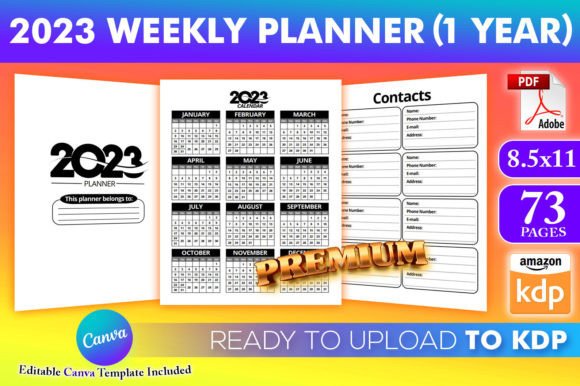
One of the most practical applications lies in the realm of publishing and content creation. The package includes the Weekly Planner2 in PDF, PPT, PNG, and JPG formats, with 21 distinct books. This is particularly valuable for creators on platforms like Amazon KDP (Kindle Direct Publishing). If you’re producing low-content books, having a professionally tested set of interiors that are "No Bleed Ready" means you can upload and publish without worrying about technical formatting errors. It turns a complex production step into a simple selection process.
But use extends far beyond commercial publishing. A blogger might use the PowerPoint (PPT) version to customize a planner for their editorial calendar, inserting their own branding before printing it for their team. A family could print a PDF version to pin on the kitchen fridge, coordinating school events, meal prep, and appointments in one shared view. The PNG and JPG files allow for integration into digital projects or custom apps. This multi-format approach means the Weekly Planner2 can live wherever you need it: as a physical notebook, a digital file on your tablet, or a template within your own design software.
Considering Your Planning Personality Before You Choose
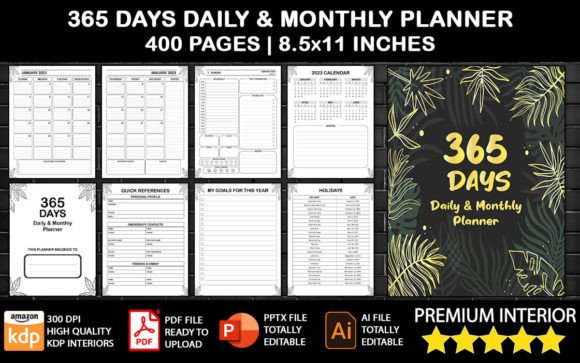
Not every planner works for every person. Before committing to any system, it’s worth reflecting on your own workflow. Do you need massive space for detailed notes, or just clean blocks for time allocation? The Weekly Planner2 collection offers variety in page count—100, 110, and 120 pages—letting you choose based on how much you write. A project manager tracking minute details might prefer the 120-page version for a full year, while someone wanting a lighter, quarter-year planner might opt for 100 pages.
Also, think about your medium. If you’re strictly analog and love writing with pen, the ready-to-print PDFs are your best friend. If you operate in a hybrid digital-physical world, the image formats (PNG/JPG) let you insert pages into digital notebooks like GoodNotes or use them as backgrounds in productivity apps. The inclusion of a PowerPoint file is a standout for teams or educators who wish to modify the layout collaboratively before distribution. The choice isn't just about buying a planner; it's about selecting the right conduit for your planning habit.
How Different Features Translate to Real Outcomes
The specification "High-Quality Print Ready" isn't just a label. It means that when you print this planner at home or through a professional service, the lines are crisp, the text is clear, and the pages are perfectly aligned. This directly impacts your experience: a poorly printed planner is frustrating and discourages use. A clean, professional result encourages consistent engagement. The "No Bleed" design ensures that all critical content sits safely within the margins, which is essential for KDP publishing but also for clean home printing where you might not have a full-bleed printer.
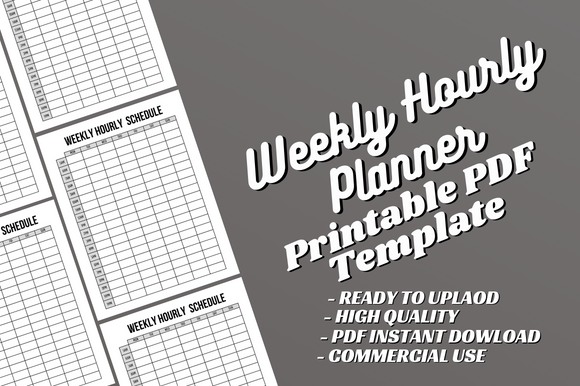
Having 21 books ready to upload translates to immediate velocity for a KDP publisher. Instead of creating one product, you can launch a series, catering to customers who prefer different page counts or slight stylistic variations. For the end-user, this variety means you can test different layouts to find the one that truly gels with your cognitive style. Perhaps one version has a prominent priority box at the top, while another focuses on hourly scheduling. You can find the fit, rather than forcing yourself to adapt to a rigid, single design.
The Broad Benefits for the Everyday User and Creator
For the everyday user, the benefit is clarity and reduced mental load. A dedicated weekly planner compartmentalizes your tasks, freeing your mind from trying to remember everything. It creates a ritual of review—each Sunday or Monday, you assess the coming week, which builds proactive habits rather than reactive scrambling. The physical act of writing can also solidify commitment to tasks more than a fleeting digital reminder.
For the creator or small business seller, the benefit is efficiency and opportunity. This package is essentially a product kit. It allows you to leverage tested designs to build your own branded stationery line on Amazon or other markets with minimal upfront design investment. You’re not just getting a planner for yourself; you’re getting a potential business asset. The follow-up promise of more interiors, graphics, and freebies points to an ongoing resource, which is valuable for anyone building a collection of digital products or simply looking to refresh their own tools periodically.
Ultimately, Weekly Planner2 serves two core, often overlapping, audiences: the individual seeking personal organization and the maker seeking professional tooling. Its value lies in its tested reliability and its flexible presentation across multiple formats. It understands that planning isn't a one-size-fits-all activity, and provides a spectrum of options to meet that reality. Whether your goal is to tame your personal schedule or to build a commercial offering around productivity tools, this collection provides a concrete, high-quality foundation to start from.